Inspirational journeys
Follow the stories of academics and their research expeditions
The Benefits of Learning to Code for Kids: More Than Just Programming

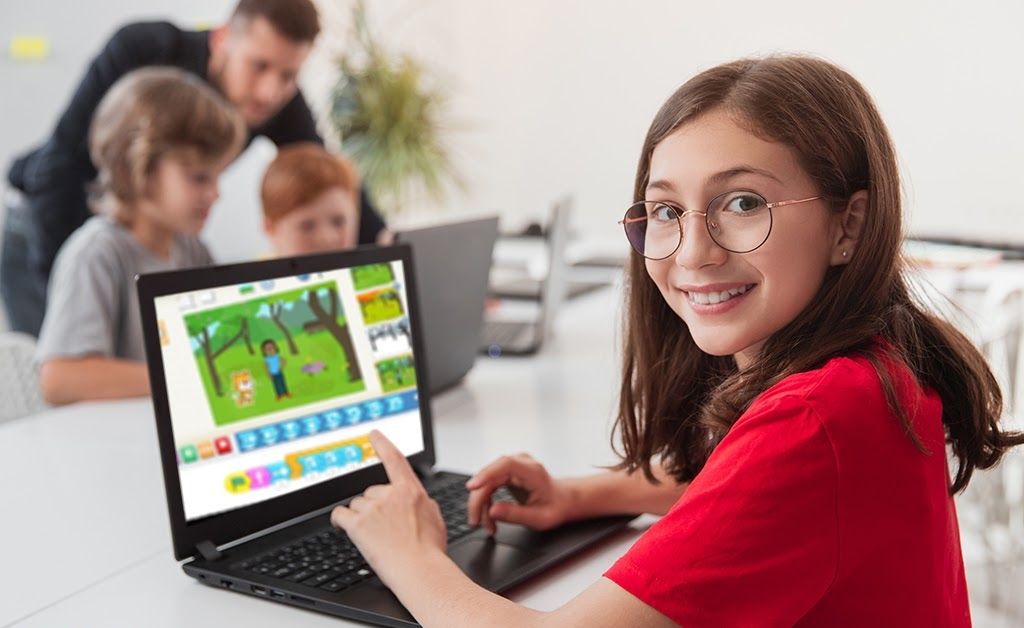
In today’s digital world, children are surrounded by technology. They use smartphones to learn, play games, watch videos, communicate with friends, and explore the world. But there is a big difference between simply using technology and understanding how technology works. One of the best ways to introduce children to technology more actively is through coding.
Coding is not just about writing lines of code or becoming a programmer in the future. For children, coding can be a powerful way to develop problem-solving skills, logical thinking, creativity, persistence, and the ability to turn ideas into something real. That is why introducing coding at an early age can offer benefits that go far beyond technical skills.
1. Develops Problem-Solving Skills
One of the biggest benefits of learning to code is that it teaches children how to solve problems systematically. When creating a simple program or game, children will inevitably encounter problems. A character may not move, a button may not work, or the program may produce an unexpected result. Instead of simply giving up, children learn to identify the problem, find possible solutions, make changes, and test the results. This process teaches them that complex problems can be broken down into smaller, more manageable parts. These problem-solving skills can also be applied to schoolwork, games, and everyday situations.
2. Strengthens Logical Thinking
Coding teaches children about cause and effect. When a certain condition occurs, the program needs to respond with a specific action. For example, in a simple game: if the character touches a coin, the score increases. Through examples like this, children gradually learn concepts such as conditions, sequences, loops, and instructions. This structured way of thinking helps children understand that achieving a goal often requires following a logical sequence of steps.
3. Encourages Creativity
Coding is often seen as a highly technical activity. In reality, it can also be a powerful creative outlet. Children can create their own games, animations, interactive stories, websites, or digital projects based on their imagination. Instead of simply consuming content created by others, they begin to create something of their own. Coding gives children the freedom to experiment with ideas and discover different ways to turn their imagination into something interactive and tangible.
4. Teaches Persistence and Embracing Failure
Mistakes are an essential part of learning to code. A child's first program will rarely work perfectly. They may encounter errors again and again before achieving the result they want. This teaches children an important lesson: failure is not the end of the process. They learn to try again, identify what went wrong, make improvements, and test their solution. Over time, this can help develop persistence and resilience when facing challenges.
5. Builds Computational Thinking
Coding introduces children to a valuable skill known as computational thinking—a structured approach to solving problems. Children learn how to break a large problem into smaller parts, identify patterns, create logical steps, and develop instructions that a computer can understand. Computational thinking is not only useful for programmers. As technology, automation, data, and artificial intelligence become increasingly integrated into different industries, the ability to think computationally can benefit children across many future careers.
6. Helps Children Understand Technology, Not Just Use It
Children today are growing up as digital natives. However, being comfortable with apps and devices does not necessarily mean understanding how technology works. Learning to code gives children a glimpse behind the technology they use every day. They begin to understand how games, websites, apps, and digital products are created. This can change their perspective from asking: “How do I use this technology?” to: “How can I create something like this?”
That shift from consumer to creator is one of the most valuable outcomes of learning to code.
7. Builds Confidence
There is a unique sense of achievement when children successfully create something that originally existed only in their imagination. Imagine a child who wants to create a simple game. After learning some basic coding concepts, they manage to make a character move, collect points, and complete a level. That experience can give them a strong sense of accomplishment. More importantly, they begin to understand that their ideas can become real through learning, experimentation, and effort.
8. Introduces Children to the Wider World of Technology
Coding can become a gateway to many other areas of technology, including game development, web development, mobile applications, robotics, artificial intelligence, and the Internet of Things. Children do not need to decide immediately what they want to become. The goal is to give them the opportunity to explore different areas and discover what interests them. A child who starts by creating a game might eventually become interested in design. Another might discover a passion for robotics, AI, or data. The exploration itself is an important part of learning.
Coding Does Not Have to Start with Complicated Programming Languages
One common misconception is that children need to start by learning complex programming languages. They do not. Coding education can begin with age-appropriate activities such as games, visual programming, puzzles, animations, and interactive projects before children move on to writing traditional code. The goal is not to make children memorize complicated syntax. The goal is to help them understand the concepts behind coding.
Project-Based Learning Makes Coding More Fun
Children often learn better when they can immediately see the results of what they are learning. Instead of focusing entirely on theory, coding lessons can involve simple projects such as:
- Creating a simple game.
- Building an interactive animation.
- Creating a digital story.
- Developing a basic calculator.
- Building a personal website.
- Creating an interactive quiz.
- Developing a simple simulation.
- Building a project using robotics or electronic devices.
Project-based learning allows children to connect what they learn with something they can actually see, use, and share.
The Goal Is Not to Turn Every Child into a Programmer
The main purpose of teaching children to code is not to make every child become a professional programmer. More importantly, coding helps develop skills that will remain valuable in the future: problem-solving, logical thinking, creativity, persistence, curiosity, and technological awareness. The world of work will continue to evolve. New professions will emerge, existing jobs will change, and technology will become increasingly integrated into everyday life. Children who understand how technology works—and have the confidence to create with it—will have a different perspective when facing these changes.
Conclusion
Learning to code is about much more than learning how to write programs. For children, coding can be a way to learn how to think, solve problems, experiment, create, and learn from mistakes. With an age-appropriate and engaging approach, coding can become a fun and creative activity that helps children prepare for an increasingly digital world. Because the future will not only belong to children who know how to use technology. It will also belong to those who have the curiosity and confidence to create it.
0 Comments
Categories
Recent posts

5 Reasons to Join an Intermediate English Course Today
Mon, 16 Dec 2024


Leave a comment